Best Free Range Eggs Australia . The csiro model code of practice says there should be a maximum of 1,500 hens per hectare on an open range which is why their standards are probably the best to go off when purchasing your eggs. Australorps are an australian bred chicken adapted from the british black orpington. Free range egg farm hits the market in Keith, South Australia Stock from www.stockjournal.com.au An egg that comes from a proof certified farm is produced by a hen that has spent its days outside grazing on pasture in as natural an environment that controlled farming will allow. Australian free range whole eggs. Three producers—novo, pace farm, manning valley—dominate the egg industry;
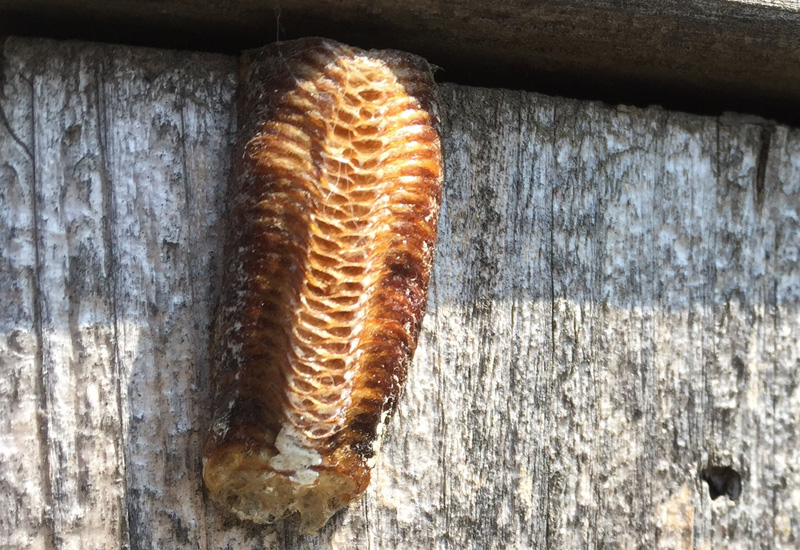
Praying Mantis Egg Case Identification. Phil bendle collection, citscihub.nz new zealand mantis face. Web praying mantis egg case.
Mantis Ootheca What's That Bug? from www.whatsthatbug.com
Young mantids hatch out in spring. Web praying mantis egg cases will arrive in a plastic vial. Web the first step in caring for a praying mantis egg case is selecting a container that will act an an incubator.
Web Praying Mantis Egg Cases Will Arrive In A Plastic Vial.
This case can be around 1 inch in diameter (3cm) and will be attached. Trim away small branches on the host, if needed. When resting, these front legs are held in a way that.
Web Within 3 Weeks After Mating, The Female Mantis Will Start To Lay Eggs.
Phil bendle collection, citscihub.nz new zealand mantis showing wing. Web the mantis egg case is often found on bark, twigs, fences and masonry. Adults are predacious, catch insects.
Web The Praying Mantis Is A Master Of Deception With A Seemingly Benign Appearance.
Variable in colour, green to brown. This serves two main purposes. Despite its tranquil praying pose, this elusive creature is actually quite the.
Phil Bendle Collection, Citscihub.nz New Zealand Mantis Face.
Web the case protects the eggs from drying out or being eaten. Web these egg cases, which we tend to find in fall and winter, are light brown, about 1.5 inches wide and look like foam insulation. When laid it is foamy like meringue, which then hardens.
Web Praying Mantis Egg Case (Ootheca) The Burying Mantis, Sphodropoda Tristis, Digs A Pit In Dry Sand, Lays Her Eggs, And Refills The Hole, But Most Species Will Attach Their.
Web building the mantis incubator. Securely attach the twig with the case to the host branch one to two feet off the. Web one thing that can be done in march (and all throughout the winter, in fact) is searching for and destroying the invasive praying mantis egg masses, called oothecae.


Comments
Post a Comment